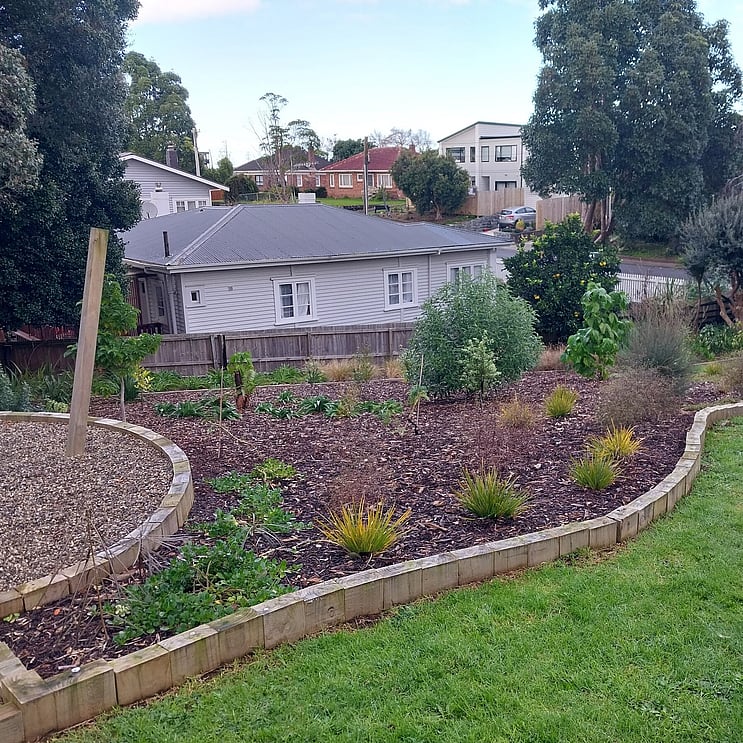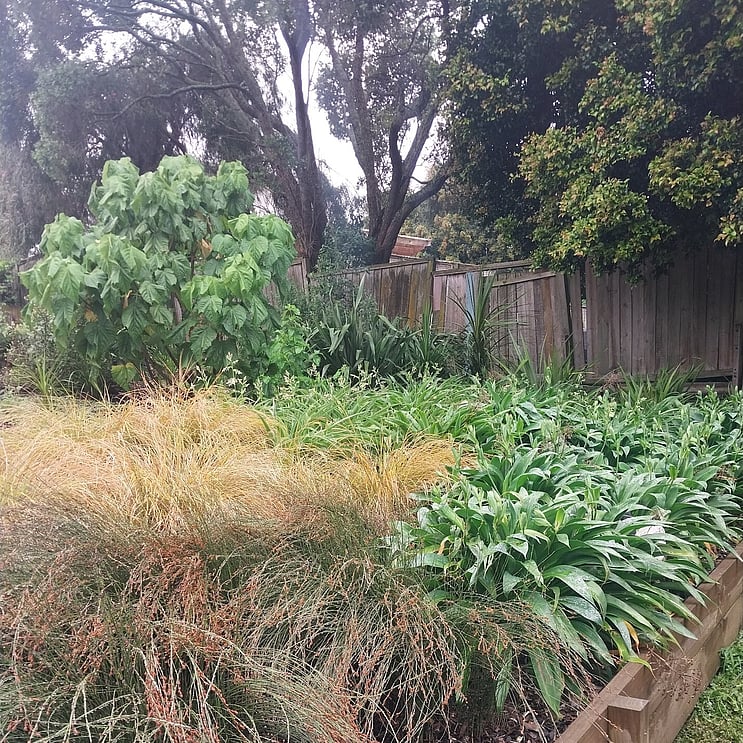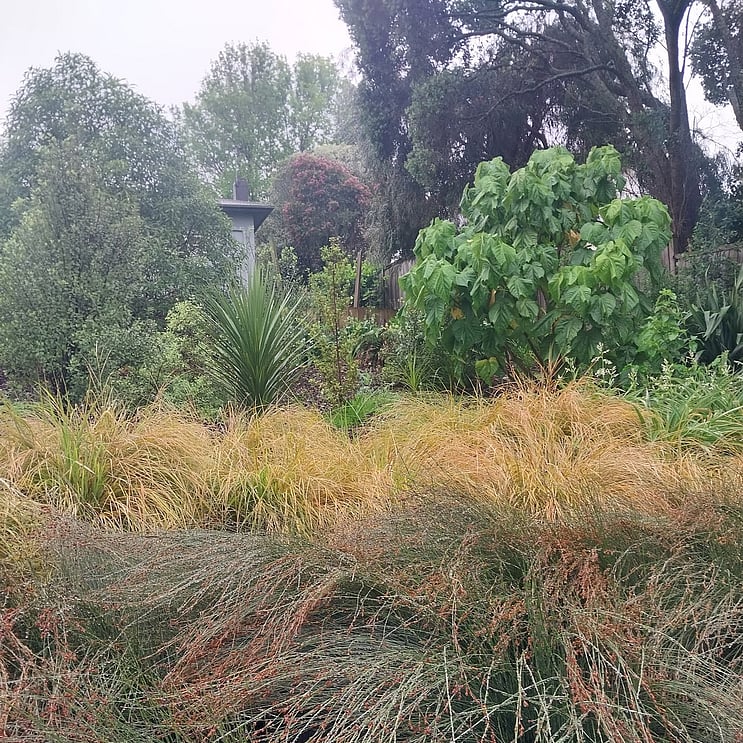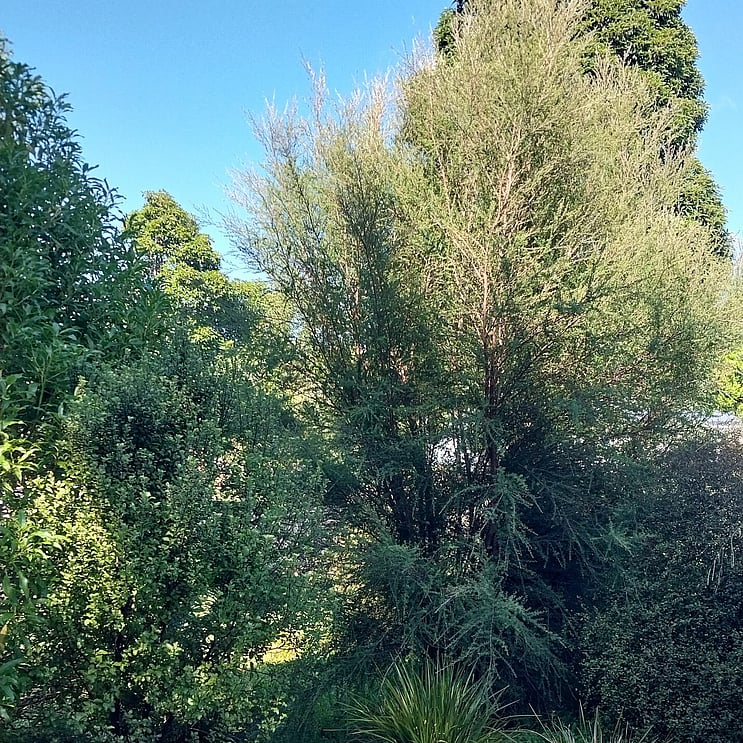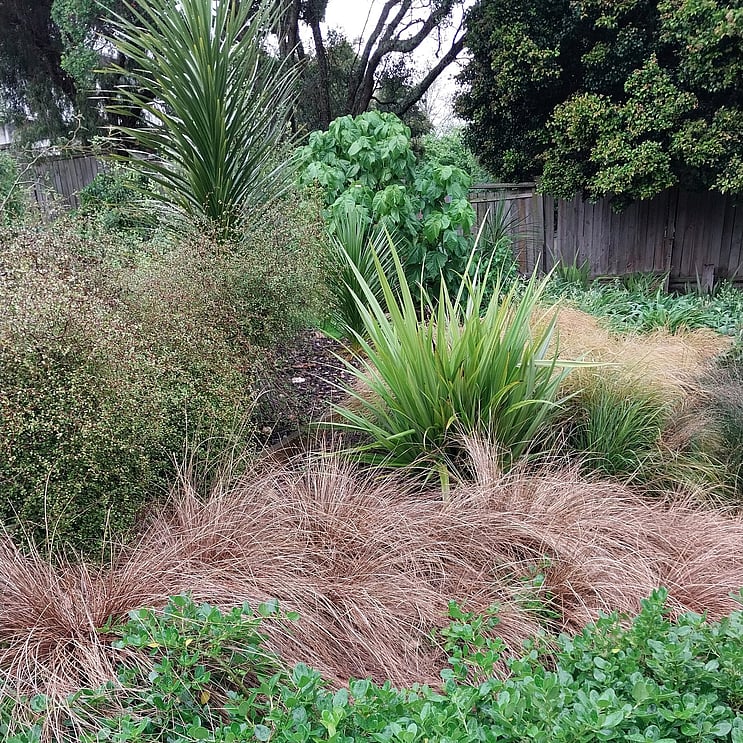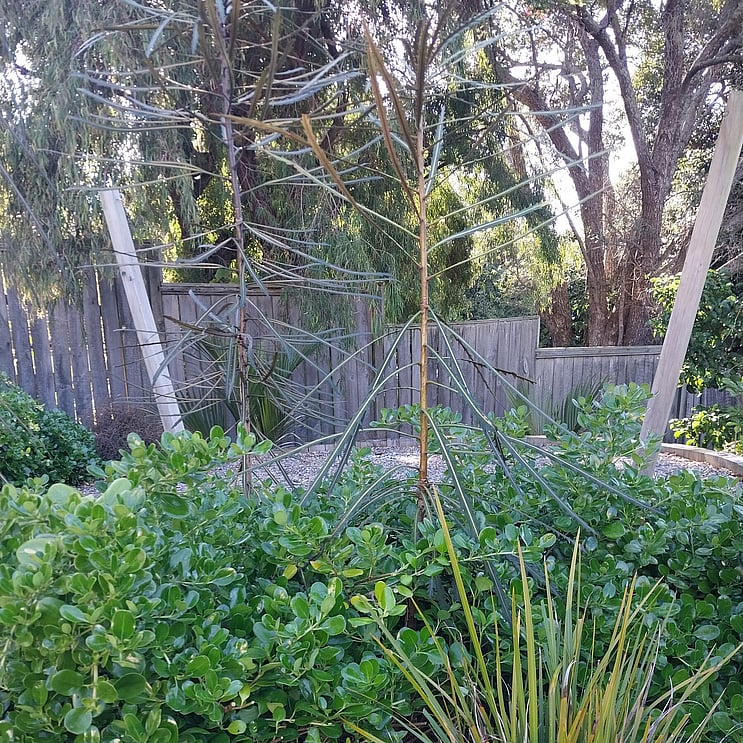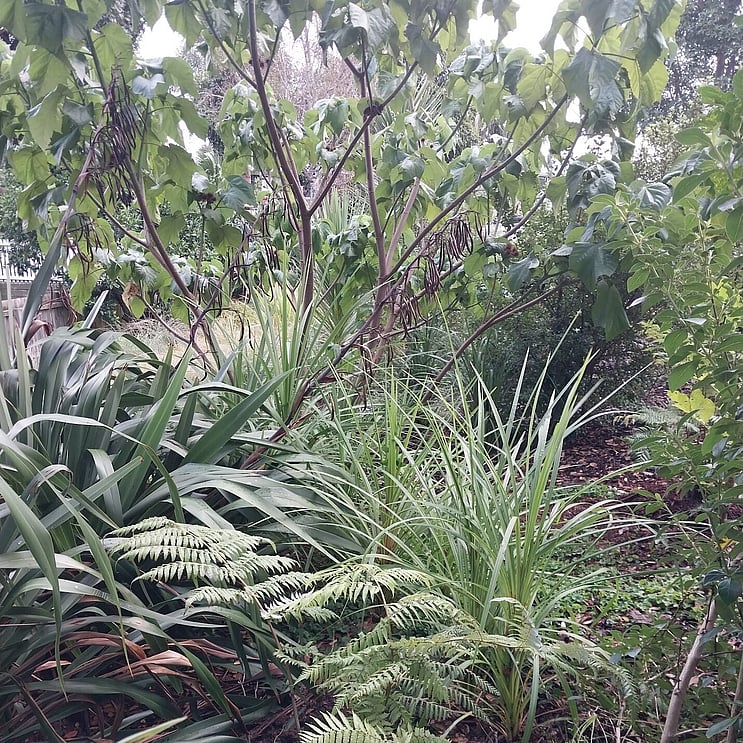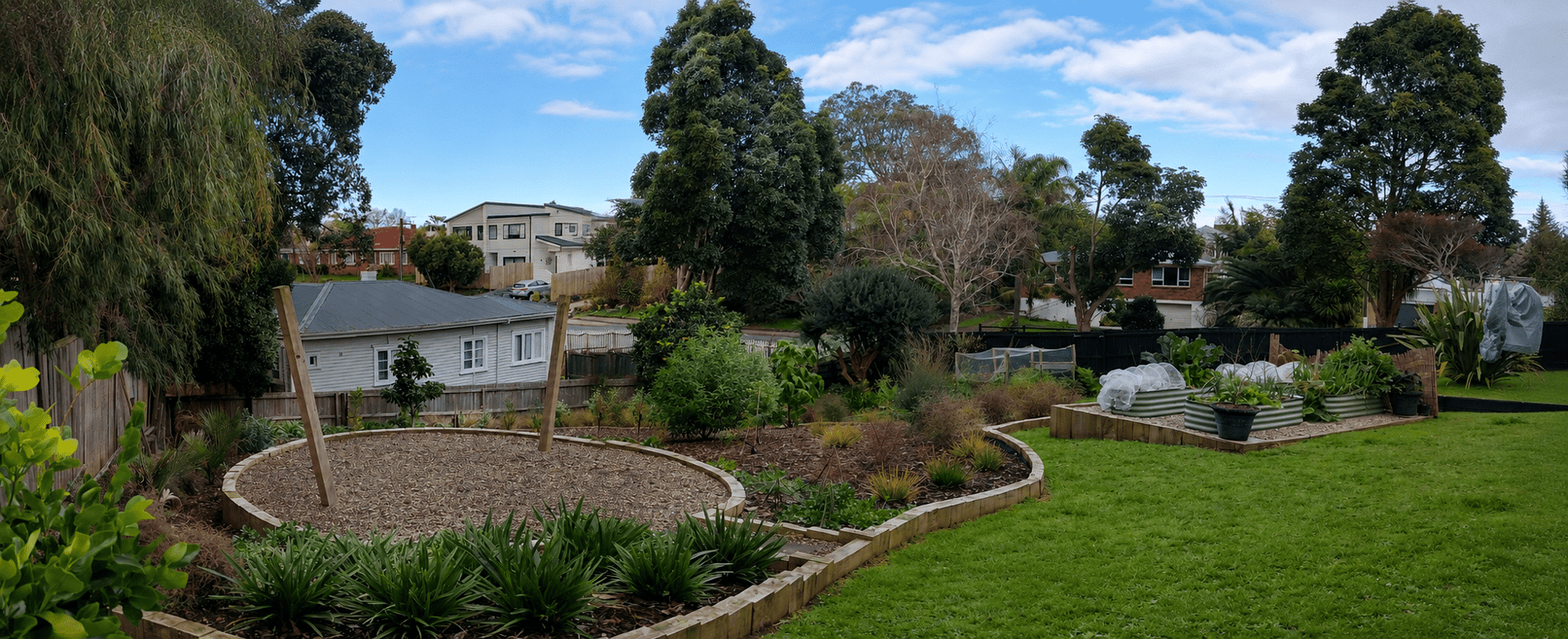
Our home owner wanted to step outside their back door and into the bush.
This garden was envisioned as a nurturing, welcoming, and ecologically rich space that supports both people and wildlife — a place where local flora and fauna can thrive alongside everyday life, a peaceful retreat and productive landscape. A contribution to the wider urban ngahere.
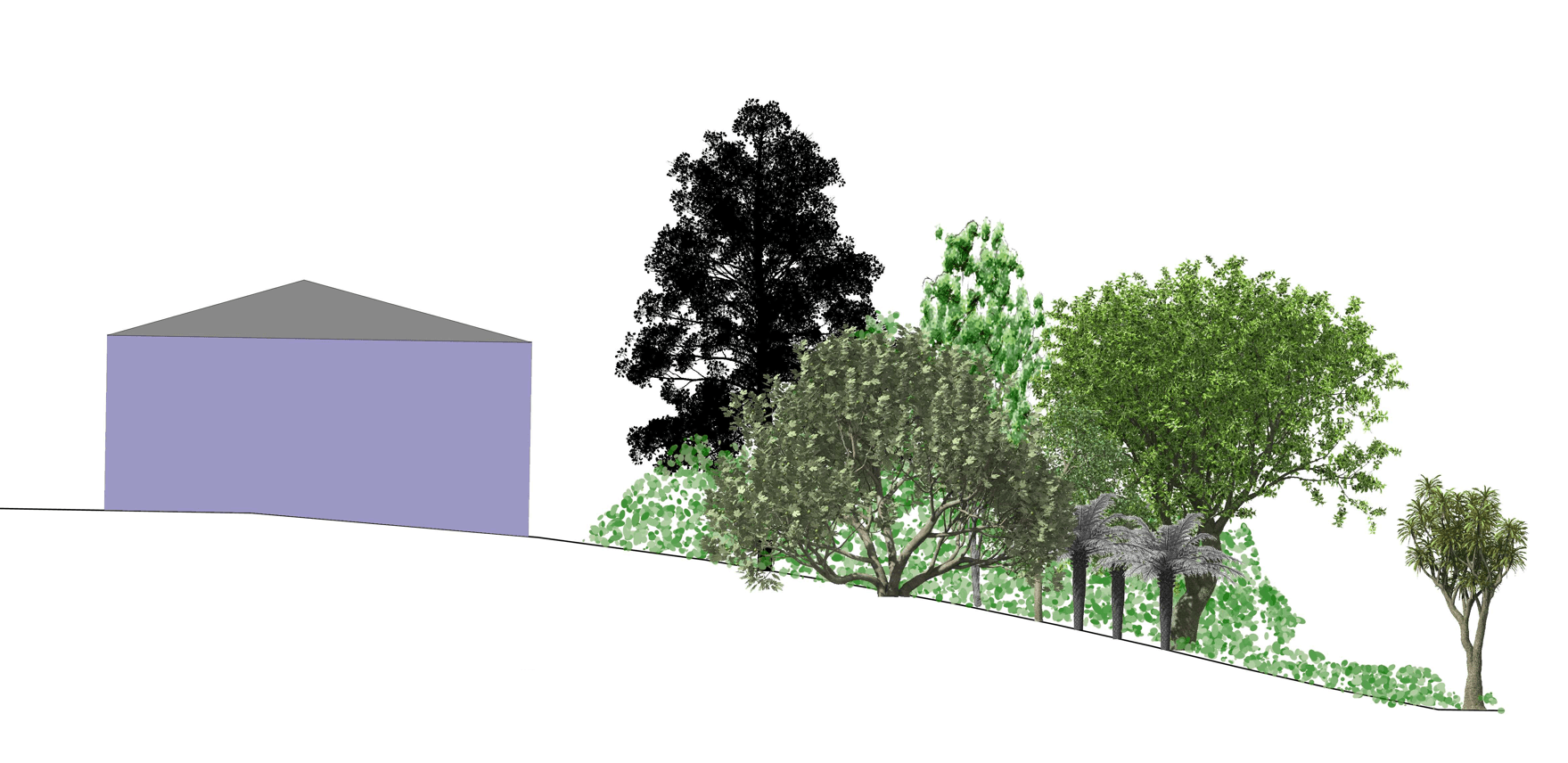
The design needed to create a layered and immersive garden experience, engaging closely with the rhythms of the seasons. The atmosphere should feel abundant, restorative, and alive with birdsong and changing light. Native trees and planting will provide food, shelter, and nesting opportunities for local bird life.
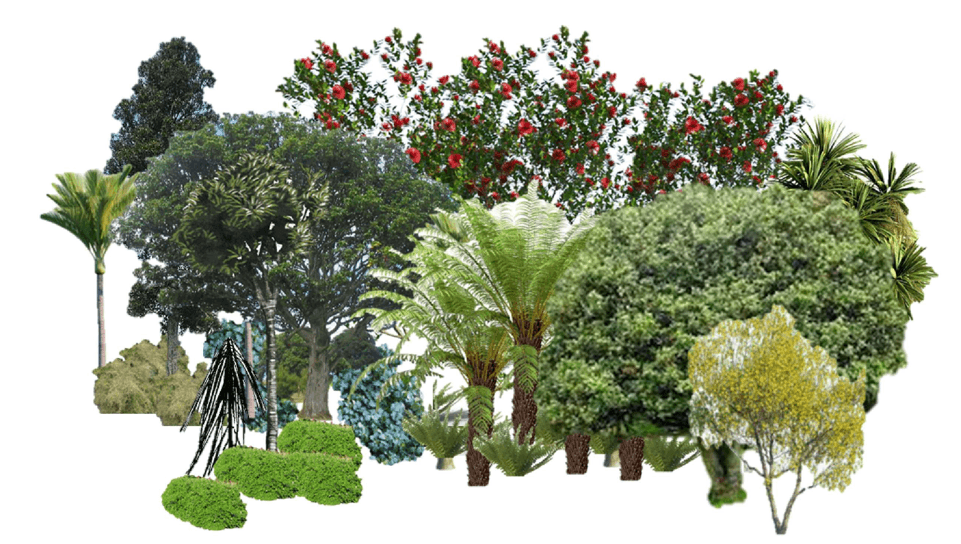
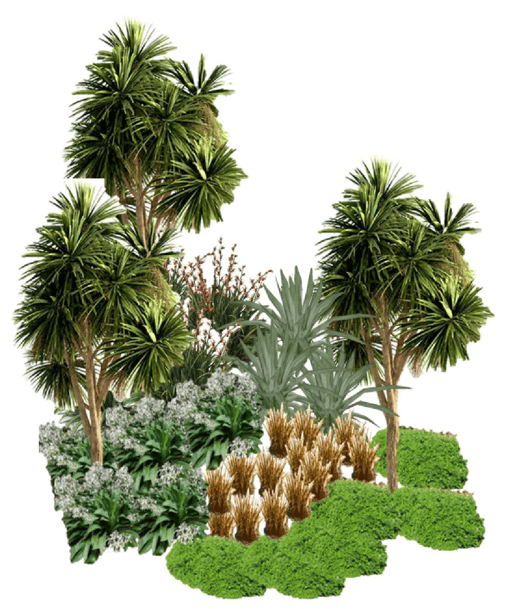
Planting Design Approach
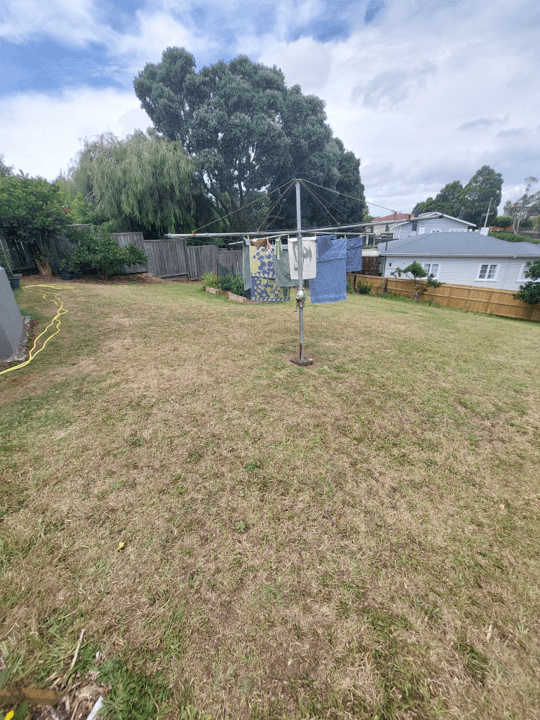
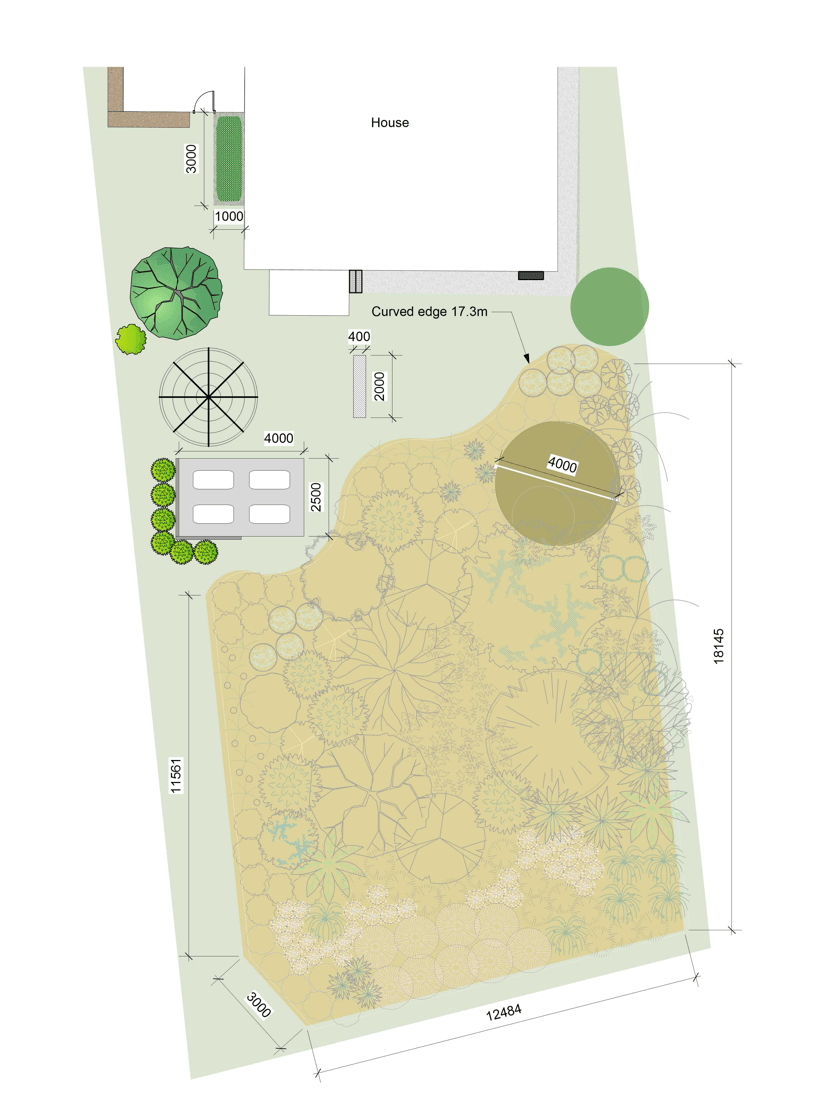
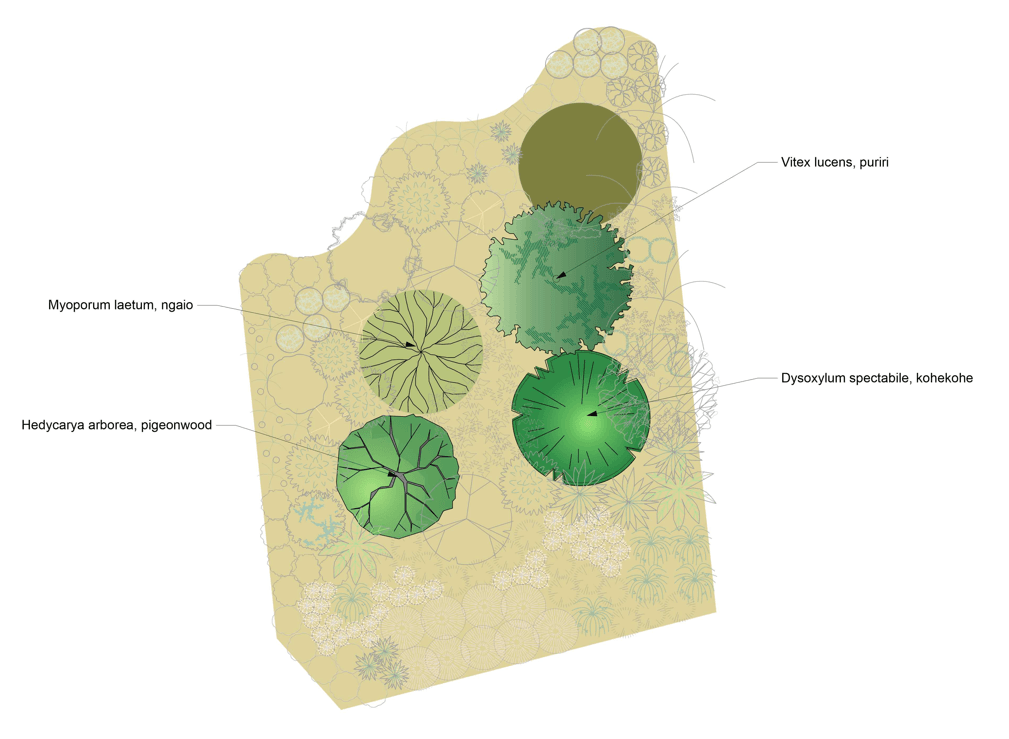
The intention for this area was to establish a small-scale native woodland that reflects the character of the wider urban area close to the Tamaki river nearby, creating habitat, shade, and a layered, immersive garden experience. We had the benefit of large trees borrowed from the neighbours and a base of volcanic soil that drained well.
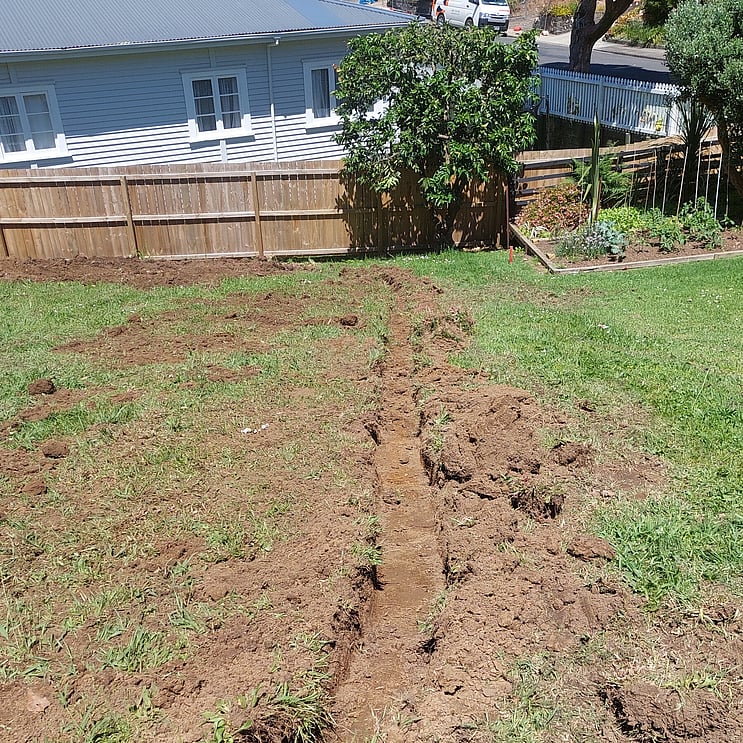
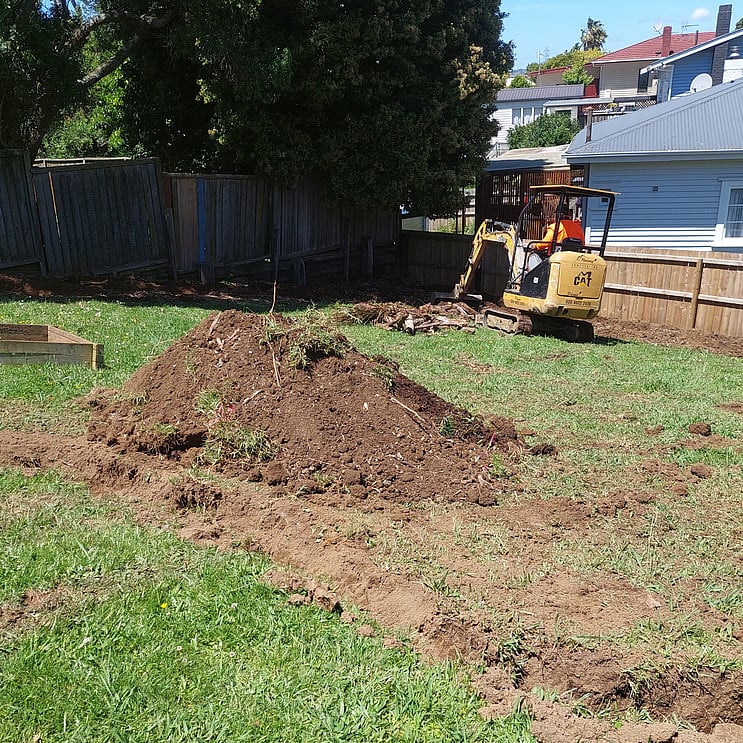
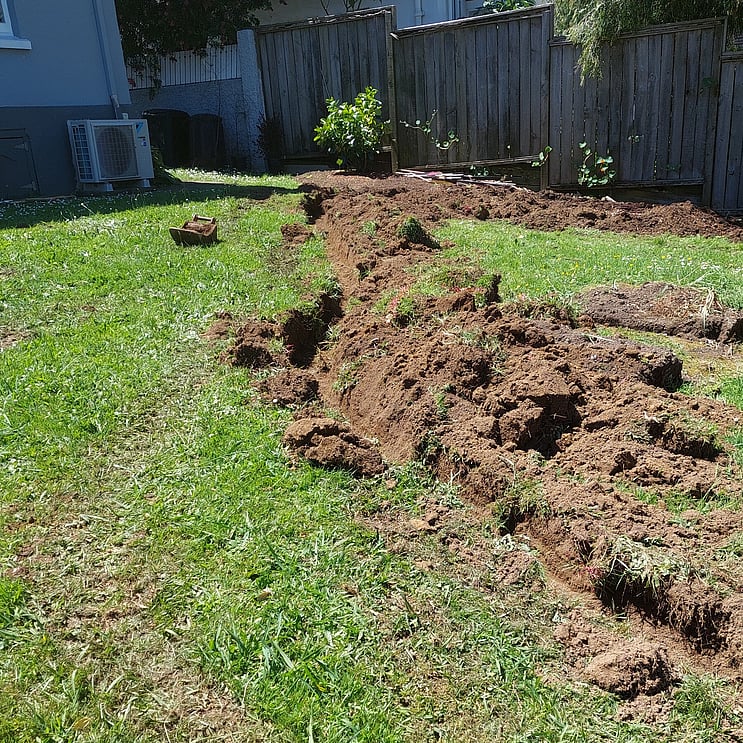
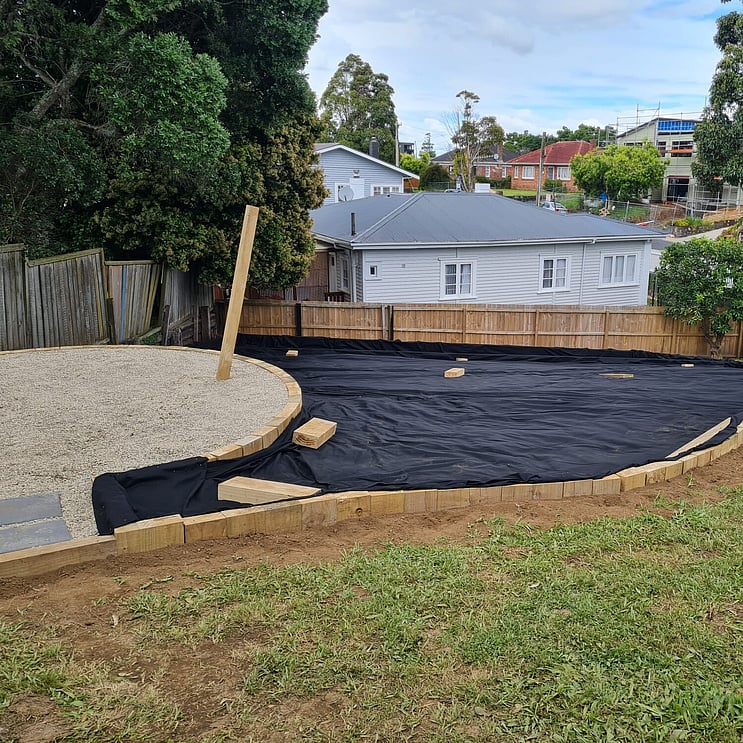
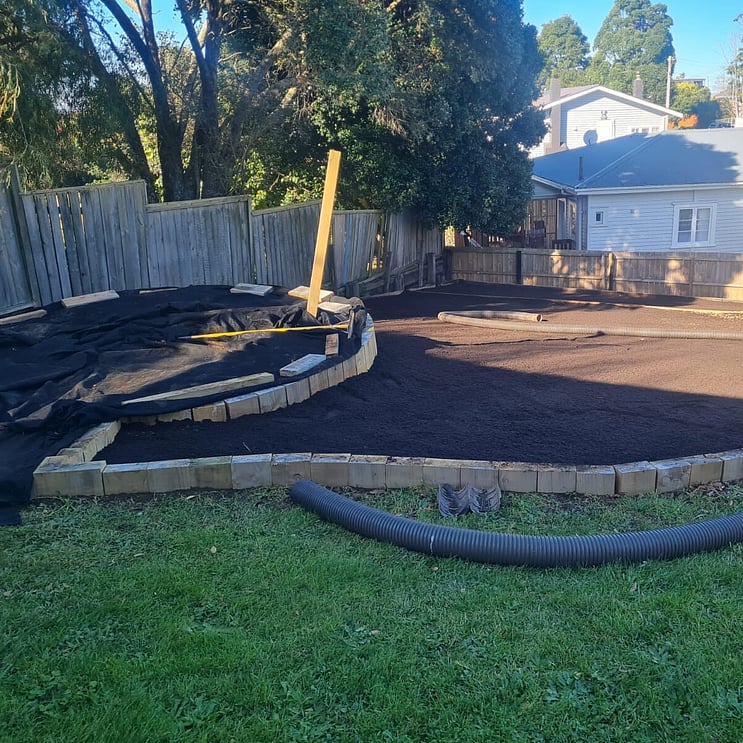
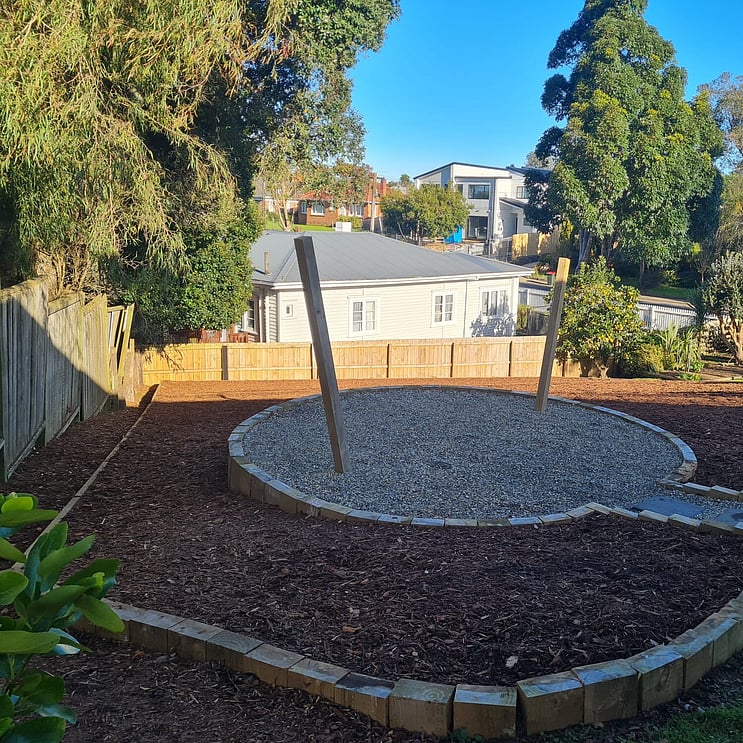
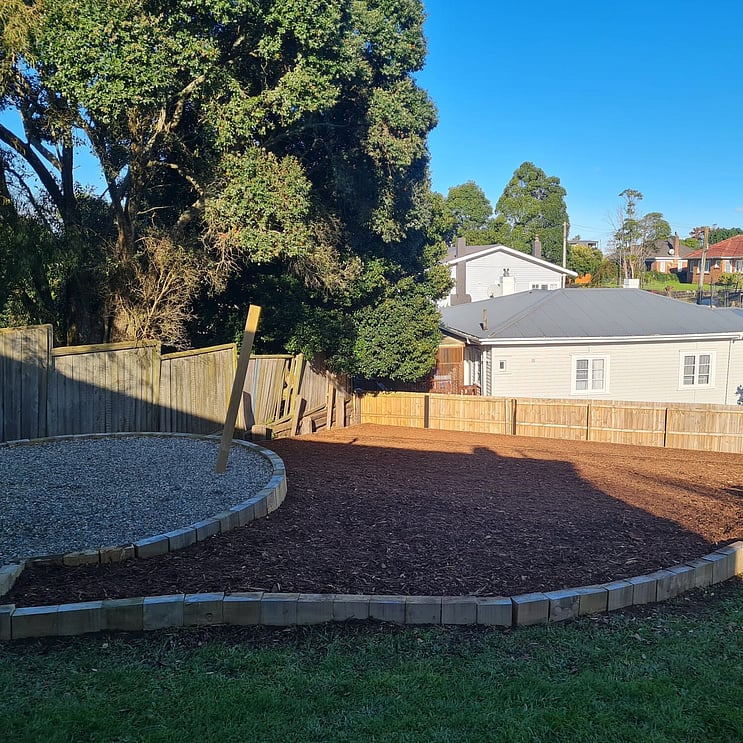
Kikuyu, a vigorous growing grass, is a serious impediment to the establishment of trees and shrubs within a lawn area and the size of the household determined that enclosing the planting in a traditional garden bed, with the aid of a root barrier would reduce the maintenance while the plants established. Enclosing the bed meant we could use a non-plastic solarisation process to kill off the grass without the aid of chemicals while still allowing water to pass through.
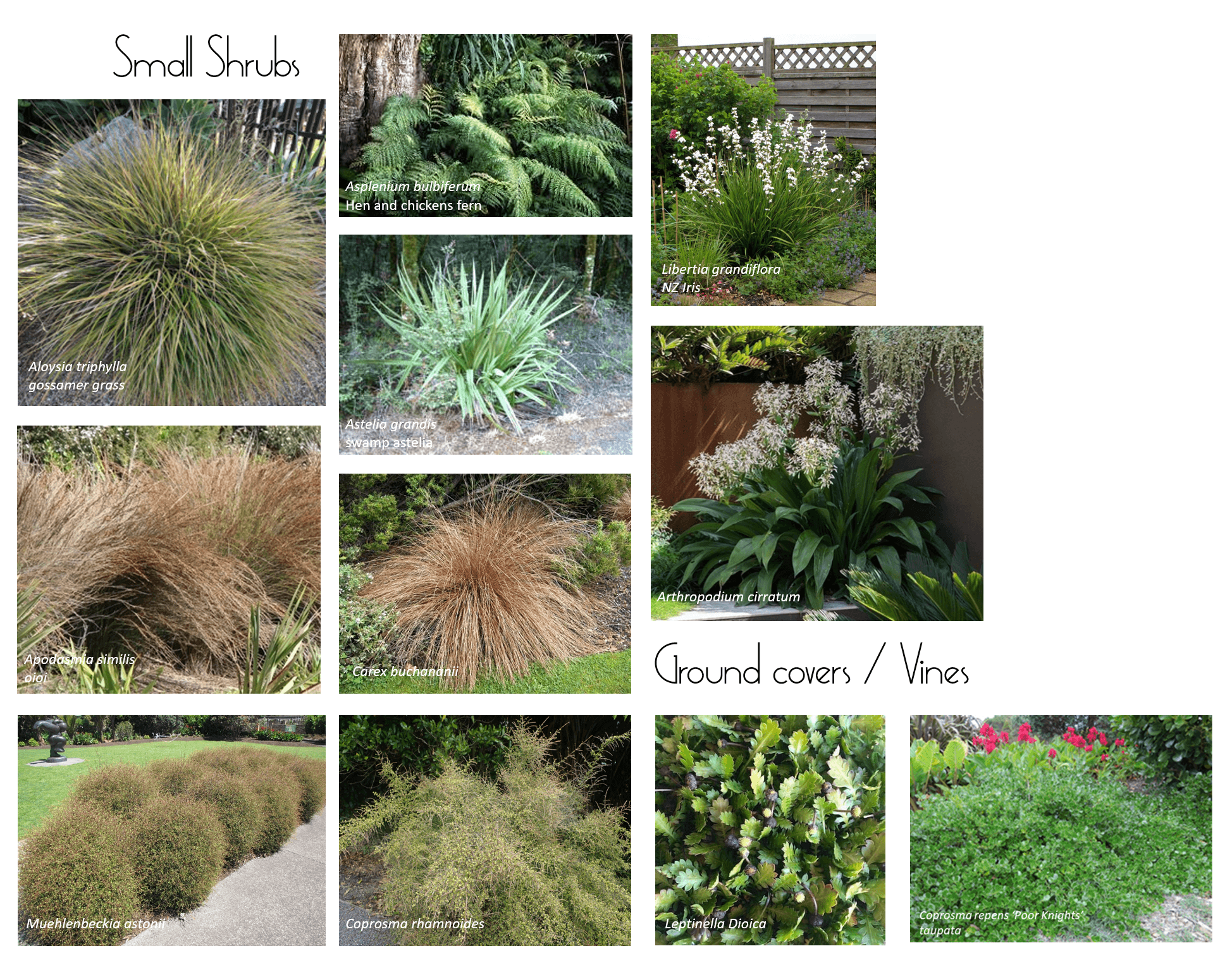
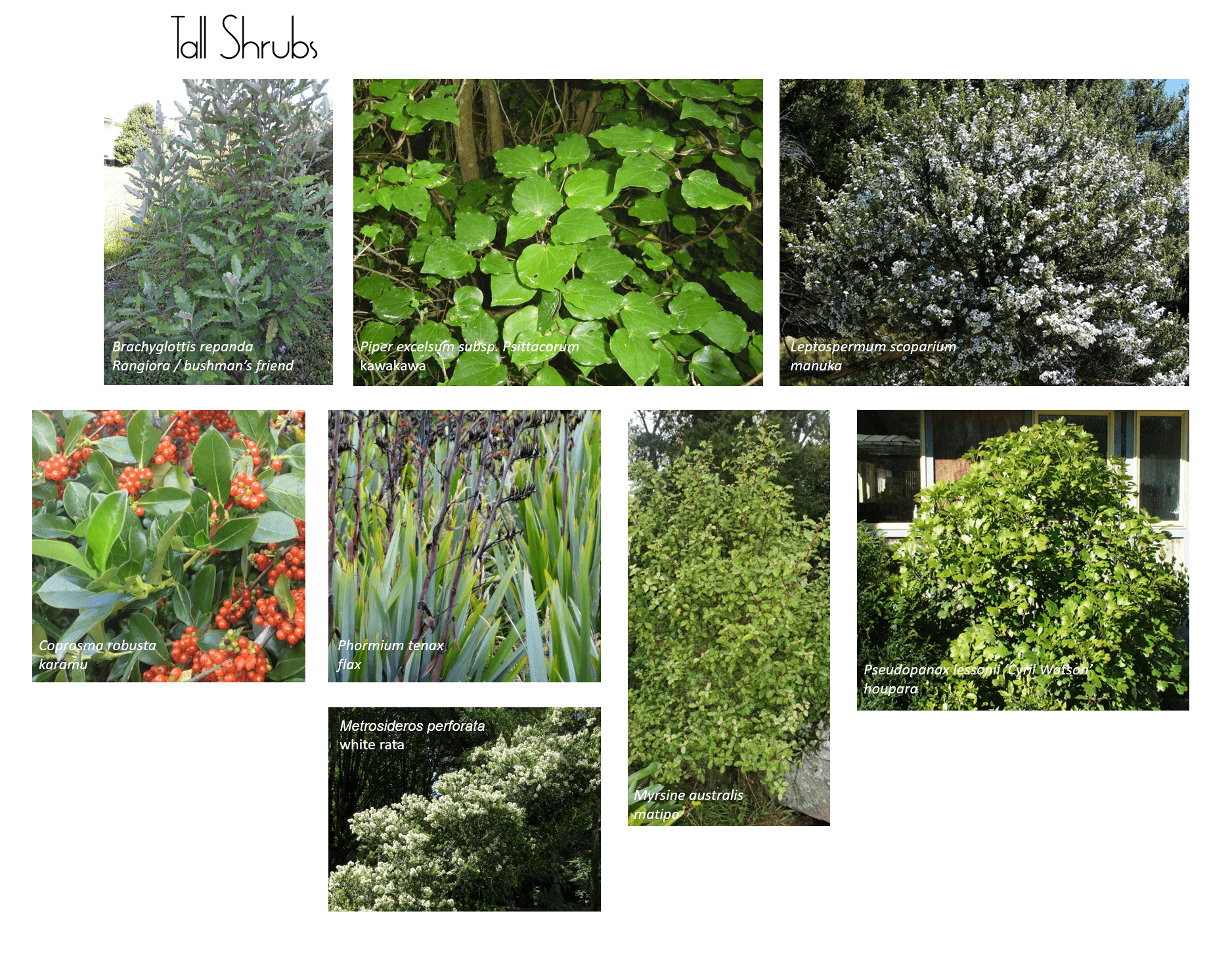
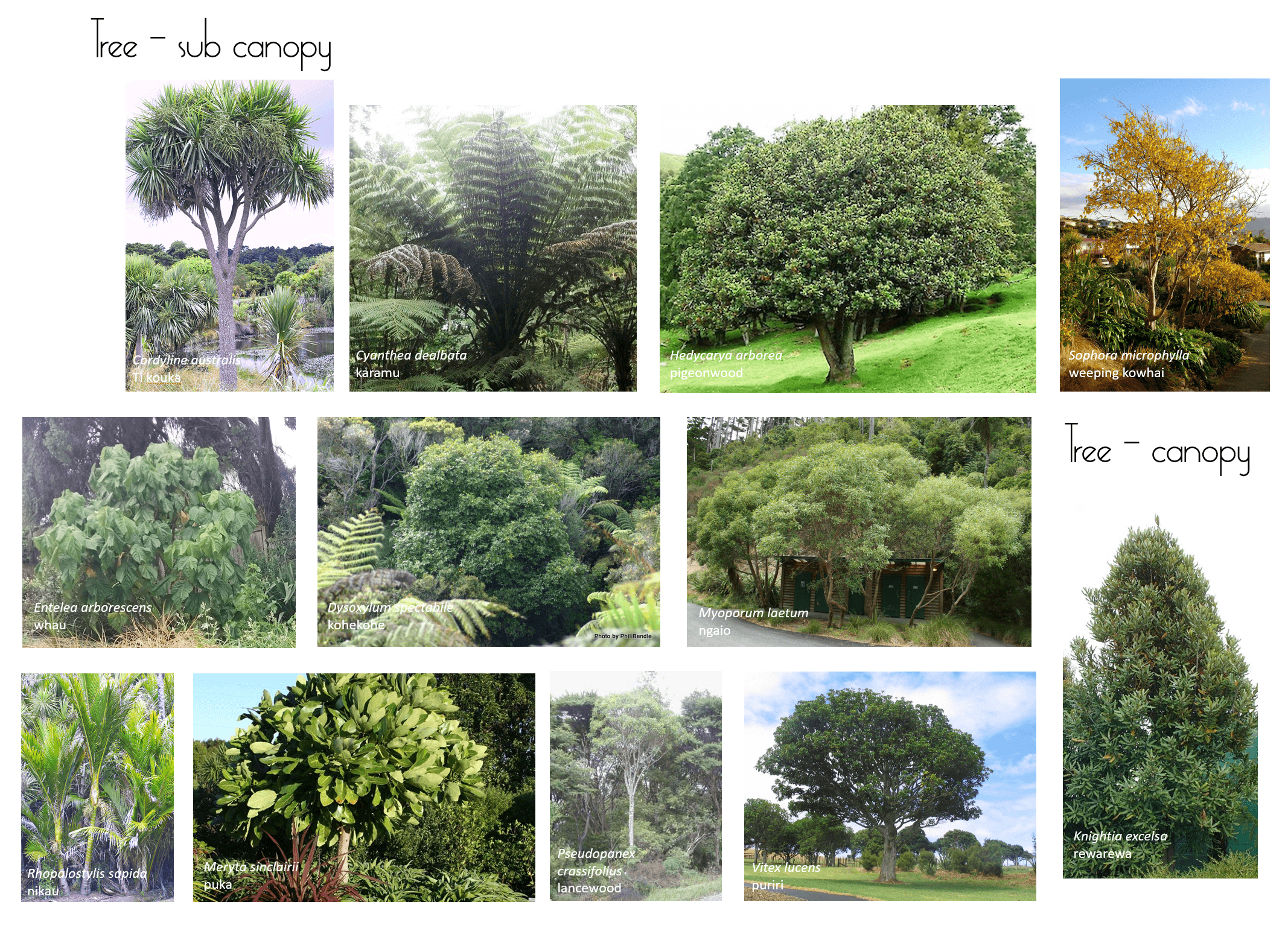
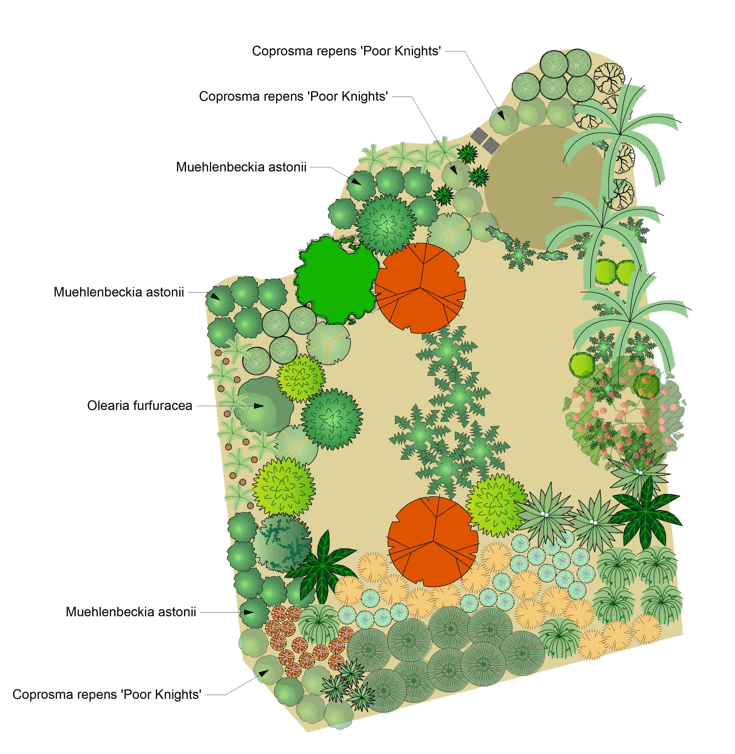
The design process was research heavy as well as drawing on experience in restoration planting, considering natural forest structures, using layered planting to create ecological resilience and visual depth over time. Taller canopy species will provide long-term shade and shelter, while smaller trees, shrubs, ground covers, and ferns help suppress weeds, and support biodiversity at multiple levels. Root spread and eventual canopy was considered as well as consideration for wastewater infrastructure, and the long-term balance between density and access to light, determining the composition of the various planting sections.
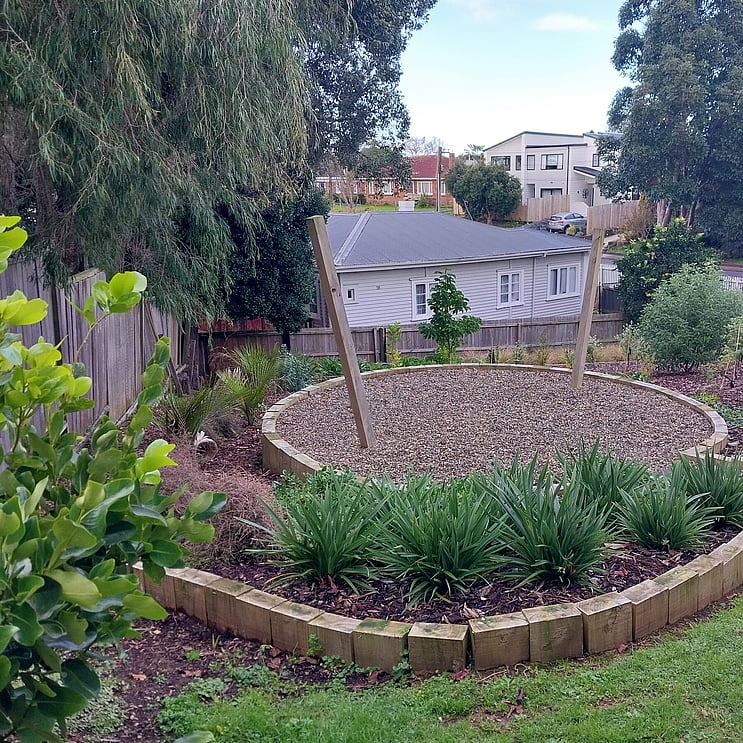
Some planting has been completed in stages, with some dividing of smaller shrubs to spread them further through the planting using renga renga. The overall aim is to create a self-supporting and regenerative planting community that becomes increasingly robust and habitat rich as it matures. Maintenance is quite low, specifically small amounts of weeding, and deciding what self-sown plants can remain.